 Admin
Admin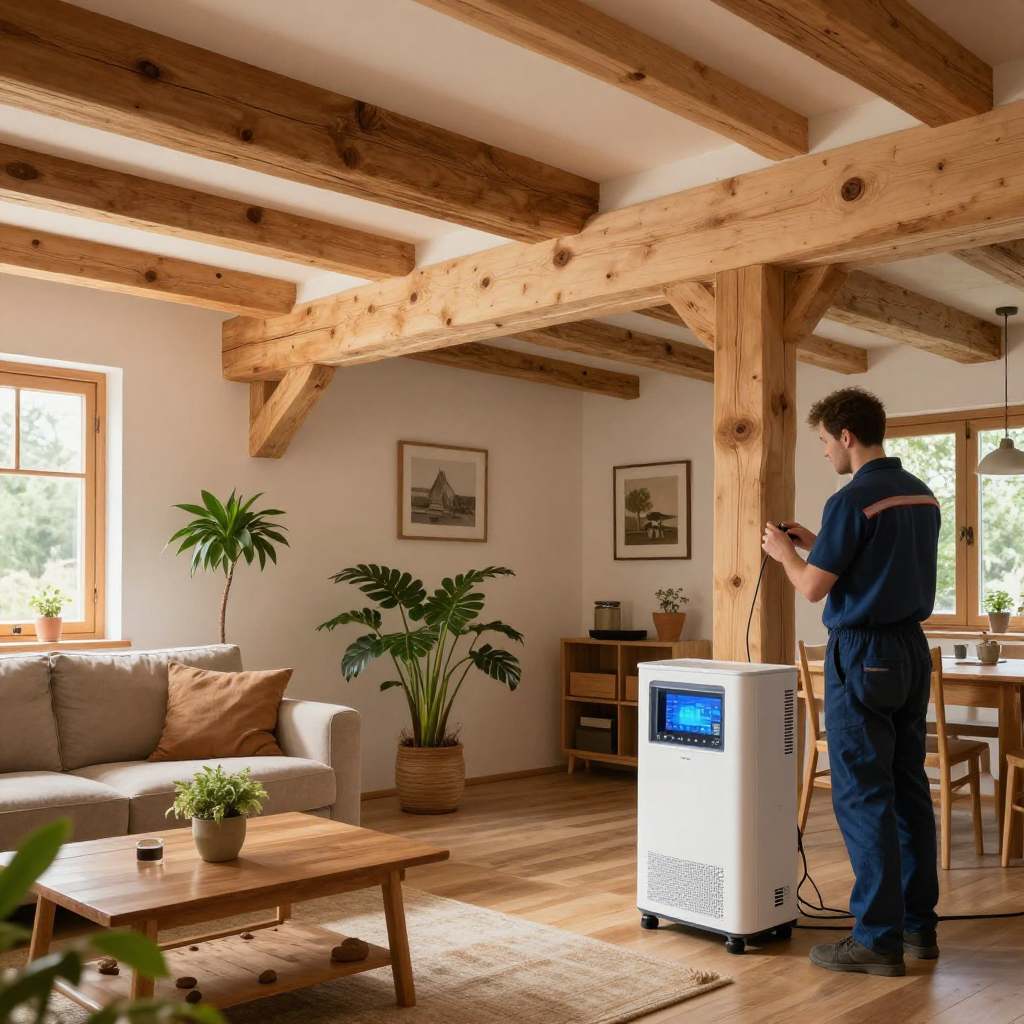
Yes — mold and woodworms can appear together, and in many cases, they are closely connected. While mold and woodworm are different problems, they often develop under the same conditions: moisture, poor ventilation, and damp timber.
Many homeowners are surprised to discover both mold growth and woodworm infestation in roof beams, floorboards, basements, attics, and wooden furniture at the same time. Unfortunately, when these issues appear together, timber may deteriorate faster if the root cause is ignored.
The good news is that both mold and woodworm problems can often be prevented or controlled by improving moisture conditions and protecting timber early.
Many homeowners researching timber care through shashel.eu/ understand that damp wood creates the perfect environment for both fungal growth and wood-boring insects.
In this guide, we will explain why mold and woodworms often appear together, warning signs to watch for, and how to stop both problems safely.
Why Mold and Woodworms Often Appear Together
The biggest connection between mold and woodworm is:
Moisture
Woodworm and mold both thrive in damp conditions.
Why Damp Timber Causes Problems
When wood becomes damp:
- Mold grows more easily
- Timber softens
- Wood becomes more attractive to insects
This creates an ideal environment for hidden damage.
Healthy dry timber naturally resists both issues.
How Mold Affects Wooden Structures
Mold develops when excess moisture remains trapped.
Common Causes of Mold
Watch for:
- Roof leaks
- Plumbing leaks
- Condensation
- Poor ventilation
Warning Signs of Mold
Look for:
- Dark patches
- Musty smells
- Damp surfaces
Mold may weaken timber over time.
Ignoring it increases risk.
How Woodworms Affect Wood
Woodworm refers to wood-boring beetle larvae living inside timber.
Woodworm
What Woodworms Do
Larvae tunnel through wood and feed internally.
They commonly affect:
- Roof beams
- Floorboards
- Furniture
- Structural timber
Signs of Woodworm
Watch for:
- Tiny holes in wood
- Fine powdery dust
Damage often stays hidden for months or years.
Why Damp Wood Attracts Woodworms
Woodworm often prefers timber that is:
- Damp
- Softened by moisture
Why Moisture Matters
Damp timber becomes easier for larvae to tunnel through.
This means homes with mold problems may also become vulnerable to woodworm.
Many homeowners exploring timber care through shashel.eu recognize that controlling moisture helps reduce the risk of both mold and insect infestation.
Common Places Mold and Woodworms Appear Together
These problems often develop in hidden spaces.
High-Risk Areas Include
- Attics
- Roof beams
- Basements
- Crawl spaces
- Ceiling joists
Poor airflow increases risk.
Hidden spaces deserve regular inspection.
Signs Mold and Woodworms May Be Happening Together
Watch for a combination of symptoms.
Mold Warning Signs
- Musty smells
- Damp patches
- Dark discoloration
Woodworm Warning Signs
- Tiny holes
- Powdery wood dust
- Weak timber
If both symptoms appear:
Moisture is often the root problem
Fast action matters.
Is This Dangerous for Wooden Structures?
Yes.
When mold and woodworms appear together:
Wood may weaken faster
Why the Combination Is Risky
Mold may soften timber while woodworms tunnel internally.
This can affect:
- Strength
- Stability
Structural wood deserves attention.
Never ignore repeated warning signs.
How to Stop Mold and Woodworms
Fix Moisture Problems First
Always address:
- Roof leaks
- Pipe leaks
- Condensation
Dry timber discourages both problems.
Improve Ventilation
Healthy airflow helps:
- Reduce humidity
- Prevent dampness
Focus on:
- Roof spaces
- Basements
Inspect Timber Regularly
Check for:
- Powdery dust
- Tiny holes
- Mold patches
Routine inspections improve prevention.
Treat Active Infestation
Professional treatment may be needed for:
- Hidden woodworm
- Severe timber damage
Early action improves results.
Can Microwave Treatment Help?
Microwave technology may help with hidden timber pests.
How It Works
Microwave energy heats moisture inside timber and insects.
This helps destroy:
- Larvae
- Eggs
- Adult pests
Why It May Help
It can target hidden woodworm activity inside structural wood.
However:
Moisture problems still need fixing
Otherwise reinfestation risk remains.
Common Mistakes Homeowners Make
Treating Only Mold
Woodworm may still remain hidden.
Treating Only Woodworm
Moisture problems continue attracting pests.
Ignoring Ventilation
Poor airflow worsens both issues.
Delaying Inspection
Damage spreads quietly over time.
Balanced treatment works best.
Long-Term Prevention Tips
Keep Timber Dry
Dry wood naturally resists damage.
Improve Airflow
Ventilation matters.
Inspect Hidden Spaces
Check attics and basements regularly.
Repair Leaks Quickly
Moisture increases risk.
Consistency protects timber.
Conclusion
So, can mold and woodworms appear together? Yes — and they often do because both problems thrive in damp, poorly ventilated environments. Moisture creates ideal conditions for mold growth while also making wood more vulnerable to woodworm infestation.
Recognizing warning signs such as musty smells, dark patches, powdery dust, tiny holes, and weak timber is essential for protecting wooden structures before damage becomes severe.